
Fire, Stone, and Snow: The Soul of Alpine Cooking
Today we explore Wood-Fired Alpine Cuisine: Heritage Recipes and Hearth Techniques, celebrating the way crackling logs, glowing embers, and warmed stone transform humble mountain ingredients into deeply satisfying meals. Expect practical guidance, historical context, and heartfelt stories you can bring to your own hearth. Share your experiences, ask questions about methods that puzzle you, and subscribe for ongoing seasonal menus that honor past wisdom while empowering confident, flavorful cooking right now.
From Herding Fires to Family Tables
Migrating herders kindled cooking fires where grass was sweetest and evenings were brisk, coaxing warmth into milk soups, stews, and coarse breads. Those ways followed them home, where families refined field improvisations into reliable techniques. Understanding this movement explains why Alpine dishes favor durability, layered heat, and simple tools used expertly. Tell us which inherited pot, pan, or ladle holds your household’s longest story, and how it continues nurturing gatherings when the weather turns sharply toward wool sweaters and rosy cheeks.
Smoke, Resin, and the Character of Mountain Woods
Beech and alder remain favored for clean, steady embers; apple and pear lend gentle sweetness; overly resinous softwoods can soot pots and muddle delicate cheeses. Seasoned logs, properly stored, change everything, guiding crust color, broth clarity, and aroma. The forest’s personality enters food through careful choices and respectful harvesting. What wood do you burn, and how does it color your cooking? Share substitutions that worked in apartments or small patios where smoke control, airflow, and considerate neighbors guide every fired decision.
Mastering Flame, Ember, and Stone
Start with dry kindling and a top‑down stack for cleaner ignition, then add splits that match your plan: thin for quick flames, thicker for long embers. Leave lanes for air, and watch smoke thin as gases burn. A patient fifteen minutes at the start saves hours later. Keep a small reserve of pre-warmed wood nearby, and rotate pieces to equalize moisture. Share your go‑to stack pattern and the moment you know the fire has shifted from spectacle to dependable working partner.
A deep, even coal bed sears steaks and caramelizes root vegetables; a raked, single-layer bed simmers stews without scorching; a cleared hearth with peripheral coals bakes bread through stored masonry heat. Color, sound, and ash texture signal readiness. Practice moving pans across zones instead of chasing perfect numbers. Note how cheese melts differently near a side wall compared with the mouth. Post a photo of your ember map, and let’s decode it together, translating glow and crackle into consistent, confident outcomes.
Long-handled peels, sturdy trivets, lidded Dutch ovens, and copper cauldrons offer control, reach, and even heat. A polenta paddle saves wrists; a wire brush prevents bitter soot buildup; fireproof gloves protect calm decision-making. Choose pieces that fit your hearth, then practice intentional movement. Keep a small water spritzer for flare control, and a shovel for shifting coals precisely. Which tool surprised you by becoming indispensable? Share maintenance routines that keep iron seasoned, handles tight, and edges smooth for safe, graceful work.
Generations at the Table: Recipes That Travel Well
Hearty meals endure because they tolerate wind, weather, and company arriving late. Raclette softens patiently near the fire; stews deepen while embers fade; buckwheat polenta holds warmth like a friendly blanket. We will outline flexible timings, substitutions, and pairing ideas so every cook can adapt to available woods, ovens, and markets. Post your pantry realities—dairy options, wild herbs, preserved meats—and we will tailor steps that keep spirit and flavor intact, even far from crags, chalets, and high summer pastures.
Bread, Pastry, and the Mountain Larder
After roasts and cheeses, stored heat turns a hearth into a bakery. Rye levains, schüttelbrot, and Valaisan loaves thrive in falling temperatures that crisp crusts while protecting tender crumb. Smoke-kissed desserts—chestnut cakes, walnut tarts, bilberry galettes—inherit quiet complexity from earlier fires. Timing matters: bake sturdier breads first, delicate sweets last. If your space is modest, scale doughs, stack proofs, and use small stones for thermal ballast. Tell us your favorite bake‑after‑dinner ritual, and we will refine schedules around real evening lives.
The Art of Retained-Heat Baking
When flames sleep, stone still speaks. Sweep the hearth, check floor temperature with a pinch of flour, and load breads in confident, swift motions. Steam with a damp towel on a preheated pan or a lidded pot for bloom. Rotate loaves at mid-bake if one side colors quickly. Keep notes on hearth zones and cooling curves. Share crumb shots, crust sounds, and cooling rack habits, and we will tune hydration and timing so each bake mirrors the comforting steadiness of mountain evenings.
Sourdoughs of the High Valleys
Rye leavens thrive in cooler kitchens, offering tang and resilience perfect for travel and cheese boards. Feed frequently when baking often; stretch intervals when snow slows plans. At altitude, fermentation races yet water boils cooler, demanding mindful proofing and longer bakes. Blend buckwheat for fragrance, and strengthen dough with gentle folds. Post your starter name, feeding schedule, and hydration, plus one stubborn issue—spread, stickiness, pale crust—and we will troubleshoot together until your loaf carries both lift and longstanding Alpine character.
Sweets by the Hearth: Smoke’s Subtle Blessing
Chestnut flour turns little sugar into haunting flavor; walnuts hold memories of autumn; bilberries brighten twilight plates. Bake tarts and cakes as heat declines, avoiding scorch while welcoming gentle color. A whisper of smoke ties dessert to dinner without heaviness. Try honey instead of refined sugar for floral lift. What sweet closes your firelit meals? Tell us about pans, greasing methods, and cooling tricks that protect crumb. We will propose pairings—herbal tea, mountain schnapps, or soft cheese—that echo the evening’s warmth.
Choosing Wood Without Wounding Forests
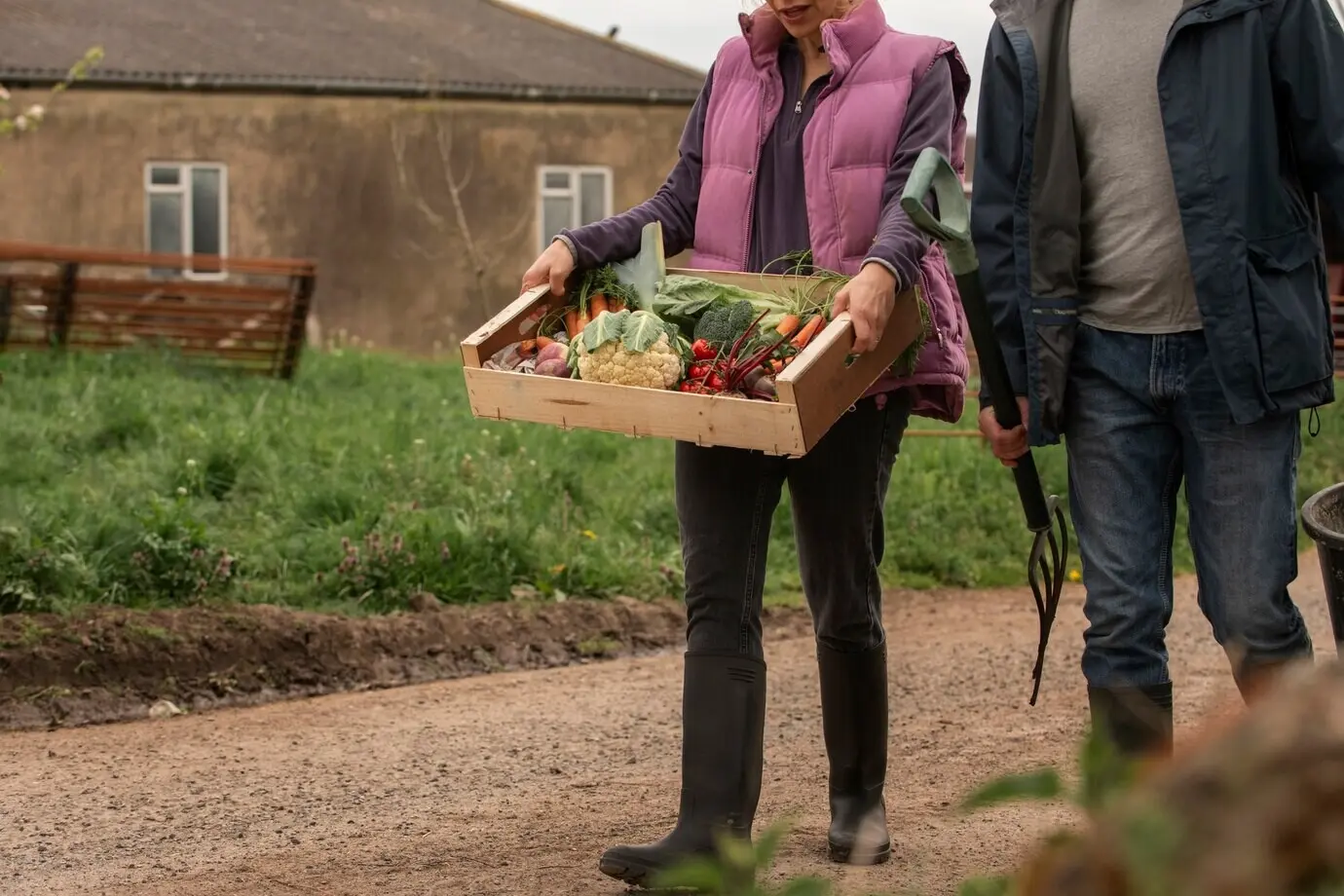
Seasoned beech and oak offer clean heat; fruitwoods add whispering perfume. Buy locally from managed lots, stacked and dried under cover for a year or more. Avoid scavenging living branches or burning damp splits that smoke and squander energy. Small homes benefit from compressed, responsibly made briquettes for steady embers. Track your consumption, seal drafts, and sweep chimneys to reduce creosote. Tell us how you store fuel through wet seasons, and we will share racks, covers, and airflow tricks that protect precious warmth.
Foraging with Care and Clarity
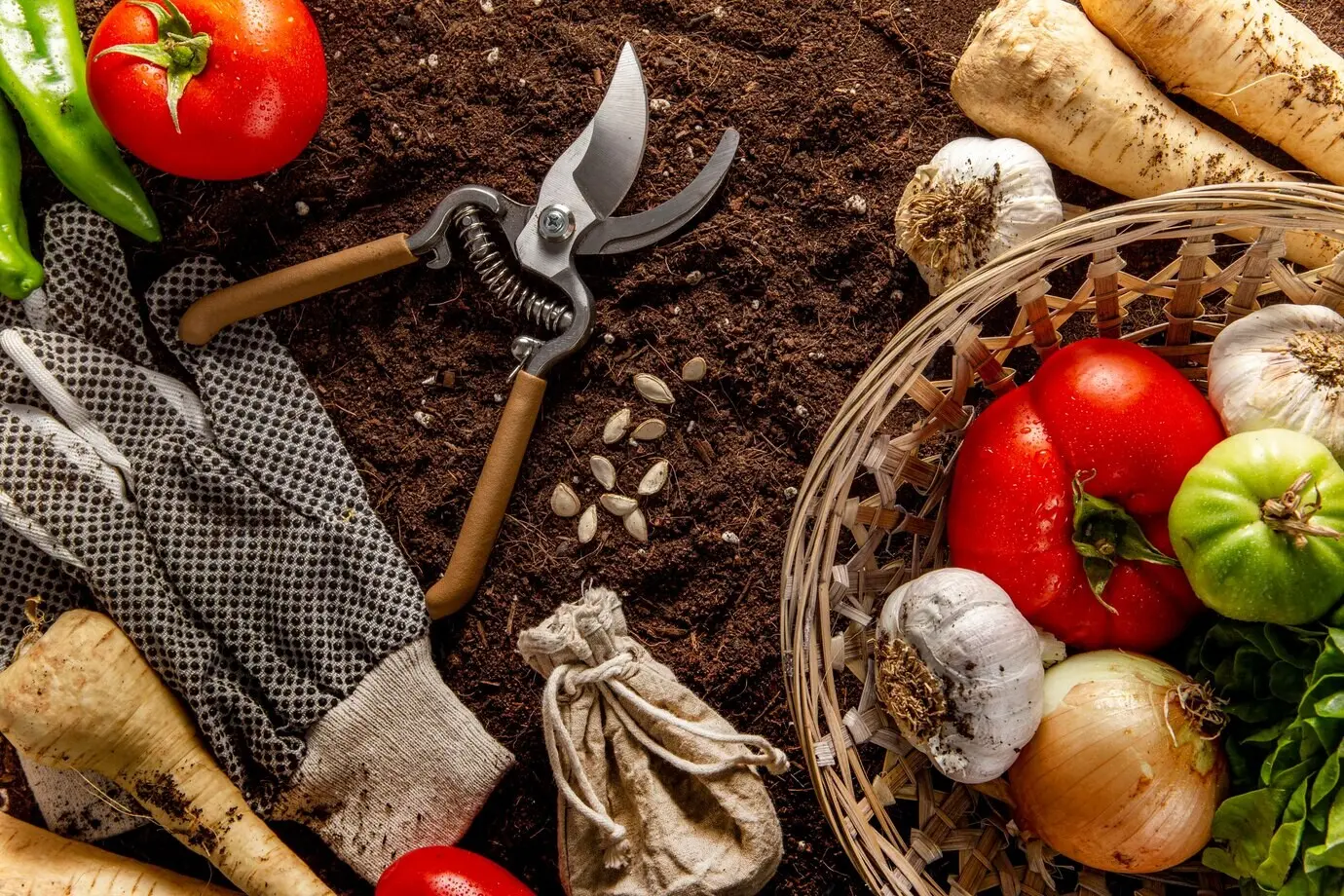
Mushrooms and herbs reward humility. Learn identification with local experts, respect quotas, and carry a basket that lets spores fall. Snip, don’t uproot, and avoid trampling delicate mycelium networks or alpine cushions. Note elevation, exposure, and rainfall before planning menus. Preserve surplus by drying or pickling for winter fireside meals. Share your region’s rules, favorite clearings, and cautionary tales, then help newcomers build safe curiosity. Food tastes better when landscapes remain vibrant, birds return in spring, and paths invite gentle footsteps.

Partnering with Makers and Markets
Visit dairies at dawn to watch curds set against bell chimes, or chat with butchers who know each animal’s mountain year. Farmers’ markets and co‑ops bridge distance with transparency and seasonality. Urban readers can join CSAs, explore specialty shops, and order from responsible mongers. Compare labels, ask about pasture days, and celebrate imperfect yet honest produce. Tell us which vendors welcome questions, and we will compile a community directory that strengthens trust, reduces waste, and keeps wood‑fired plates proudly connected to people and place.
Safety, Altitude, and Everyday Practicalities
A trusted hearth begins with caution—the kind that frees you to relax. Maintain chimneys, mind creosote, ventilate well, and keep detectors working. At altitude, water boils cooler and doughs rise faster; winds redirect drafts; dry air speeds evaporation. Establish safe zones for children and pets, wear heatproof gloves, and stash first-aid basics nearby. Share your ambient conditions, cookware materials, and stove layout, and we will tailor checklists that keep meals joyful, aromas clean, and winter nights defined by laughter instead of panic.
Managing Smoke and Clean Air Indoors
Good draft equals happier meals. Preheat flues with a small kindling fire, keep doors cracked during ignition, and use well-fitted gaskets. Lids and Dutch ovens shield food from soot while letting flavors mingle. Brush stones, empty ash tidy, and schedule regular sweeps. If smoke stubbornly spills, check weather inversions, wood moisture, and blocked baffles. Share photos of your setup, and we will suggest tweaks—glass cleaning, spark screens, and airflow paths—that tame haze while preserving the quiet, elemental pleasure of real fire.
Altitude, Weather, and the Clock
At higher elevations, simmering temperatures drop, lengthening stew times while breads proof too quickly. Compensate with slightly hotter hearths, longer bakes, and firmer doughs. Wind steals heat; humidity swings alter crust. Keep logs pre-warmed, watch ember depth, and shield from gusts. Track variables in a small notebook, then repeat successes. Share barometer readings, boiling points, or stubborn recipes, and we will calibrate together until your timing feels instinctive, even when snow swirls, stars blaze, and the moon frosts the windowpanes.
Troubleshooting Without Losing the Evening
Fondue split? Stabilize with a slurry of starch and a cooler flame. Bread pale? Increase preheat and steam. Stew scorched? Transfer gently to a clean pot and add a splash of wine. Sooted pan? Boil with pine ash or baking soda, then re‑season. Keep backups—extra potatoes, a quick salad, or cured meats—to rescue momentum. Tell us your last near‑disaster, and the community will help turn it into a dependable method, preserving conversation, music, and the welcoming heartbeat of firelit hospitality.
All Rights Reserved.